Health and Safety Policy for Tenancy Cleaning London
 This health and safety policy sets out the standards and practices followed during tenancy cleaning London services. Our aim is to protect cleaners, occupants, visitors, and property while maintaining a safe working environment. Every task is approached with care, planning, and a clear understanding of the potential risks involved in end of tenancy and move-out cleaning work.
We believe that safe cleaning is as important as effective cleaning. A well-managed tenancy cleaning service should reduce hazards, prevent injury, and avoid damage to property. This policy applies to all cleaning activities, including dusting, vacuuming, sanitising surfaces, appliance cleaning, bathroom hygiene, and waste removal. It also covers the use of equipment, chemicals, and manual handling procedures.
All staff are expected to follow company procedures, use suitable protective equipment, and report any concern immediately. Tenancy cleaners are trained to identify risks before starting work and to adjust their methods if conditions change. This policy is reviewed regularly to keep standards consistent and to ensure that every cleaning operation is carried out responsibly.
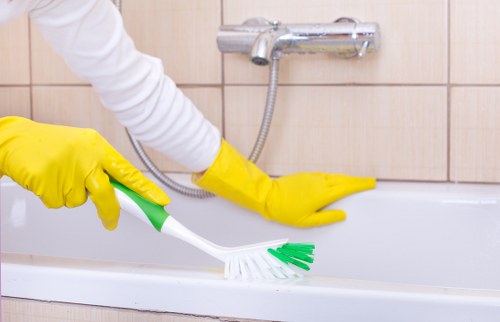 Risk assessment is the foundation of safe tenancy cleaning. Before any job begins, cleaners must inspect the property for hazards such as wet floors, sharp objects, unstable furniture, broken fixtures, poor ventilation, or electrical risks. The purpose of this assessment is to prevent accidents and to decide which cleaning methods are appropriate for the space.
Cleaning products must always be handled according to instructions. Strong chemicals, descalers, disinfectants, and degreasers can cause harm if used incorrectly. Staff must never mix products unless approved by manufacturer guidance. Personal protective equipment such as gloves, masks, and eye protection should be used when needed, especially during bathroom, kitchen, or heavy-duty cleaning tasks.
Manual handling is another key area of safety in tenancy cleaning London. Items such as vacuum machines, bins, cleaning kits, or moved furniture can cause strain if lifted badly. Cleaners are expected to use safe lifting techniques, ask for assistance where needed, and avoid unnecessary force. If an object is too heavy or awkward, the task should be paused and reassessed.
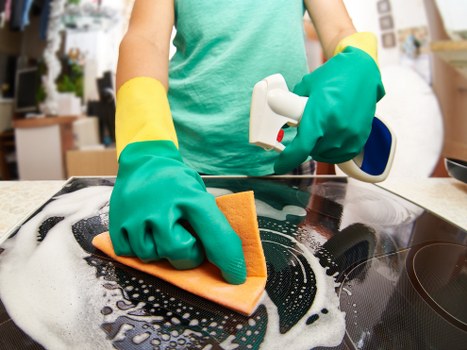 Equipment used in end of tenancy cleaning must be kept in good condition and checked before use. Electrical appliances should be inspected for visible damage, loose cables, or faulty plugs. Only appropriate outlets and safe operating methods should be used. Wet hands and electrical equipment must never be combined, and cleaning tools should be stored securely after use.
Slips, trips, and falls are among the most common cleaning-related hazards. To reduce these risks, wet floors should be clearly managed, clutter should be removed where possible, and cables should be positioned safely. Cleaners should wear suitable footwear with good grip and remain aware of their surroundings at all times. Orderly work practices help prevent avoidable incidents.
Ventilation is important when cleaning bathrooms, kitchens, and enclosed spaces. Some products may produce fumes or strong odours, so windows and doors should be opened when safe to do so. If a property has limited airflow, cleaning tasks may need to be staggered. This helps maintain a healthier environment for everyone involved in the tenancy cleaning process.
Staff Responsibilities and Safe Working Standards
Every team member has a responsibility to work safely and to support a culture of caution and professionalism. Cleaners must follow instructions, remain alert, and avoid rushing through tasks. Safe cleaning standards depend on consistency, and each worker is expected to complete duties in a way that protects both themselves and the property.
Training plays a major role in maintaining high standards. New staff should understand hazard awareness, correct chemical use, manual handling, emergency procedures, and the proper handling of client property. Refresher training may also be given to reinforce good practice. This helps ensure that tenancy cleaners can carry out their duties safely and confidently.
All incidents, accidents, or near misses must be reported as soon as possible. Even minor issues, such as a small spill or a damaged item, should not be ignored. Prompt reporting allows the business to review what happened, reduce future risk, and improve procedures. A responsible approach supports safer move-out cleaning operations overall.
Housekeeping, Hygiene, and Environmental Care
Good housekeeping supports both health and safety. Cleaning materials should be organised neatly, walkways kept clear, and waste removed in a controlled way. Rubbish bags, used cloths, and empty containers should not be left in hazardous positions. Maintaining an orderly workspace makes tenancy cleaning London safer and more efficient.
Hygiene standards are especially important when cleaning kitchens, bathrooms, and high-touch surfaces. Cleaners should avoid cross-contamination by using separate cloths or colour-coded equipment where practical. Surfaces that may carry germs must be cleaned carefully, and tools used in one area should not be transferred to another without proper cleaning. Sanitation control is a core part of safe practice.
 The environmental impact of cleaning is also considered within this policy. Products should be used efficiently to reduce waste, and recyclable materials should be separated where possible. Safe disposal methods must always be followed for contaminated materials, damaged equipment, or leftover chemical containers. Responsible tenancy cleaning services should be both safe and environmentally aware.
Emergency Awareness and Incident Response
In the event of an emergency, cleaners must remain calm and follow established procedures. This may include evacuating the property, isolating a hazard, or seeking assistance from the appropriate person on site. First aid arrangements and emergency exits should be identified before work begins whenever possible.
If a cleaner experiences skin irritation, breathing difficulty, dizziness, or another adverse reaction, they should stop work immediately and move to a safe area. Exposure to a chemical or hazardous situation must be treated seriously. Health protection is a priority in every tenancy cleaning London assignment, and staff should never continue working while at risk.
 This policy reflects our commitment to safe, professional, and well-managed tenancy cleaning. By following clear procedures, using equipment correctly, and staying alert to risk, we can deliver end of tenancy cleaning that protects people and property alike. A strong safety culture supports better results and more reliable service across every job.